Standard Size Patterns
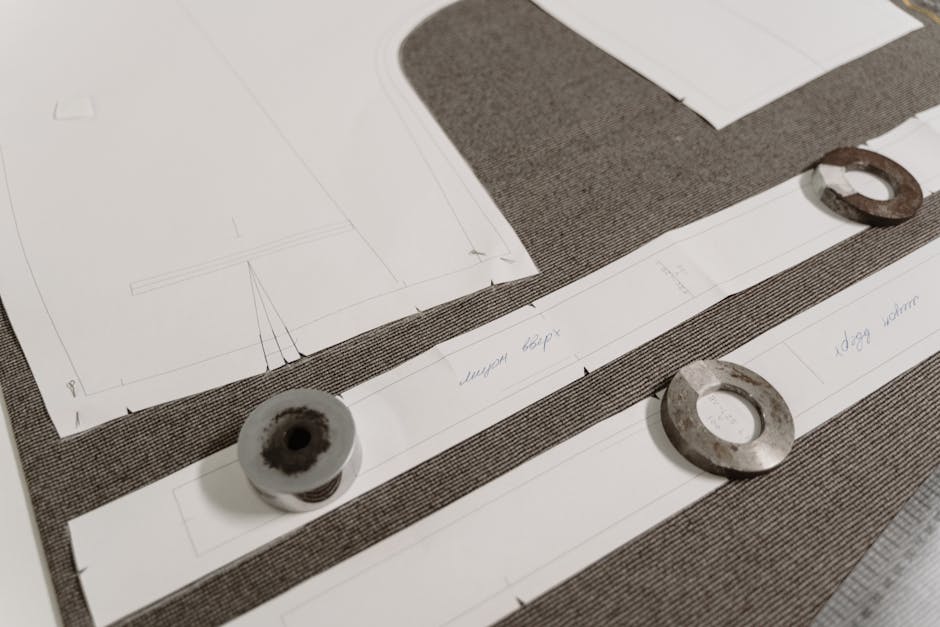
Patterns based on standard children's sizes for consistent fitting.
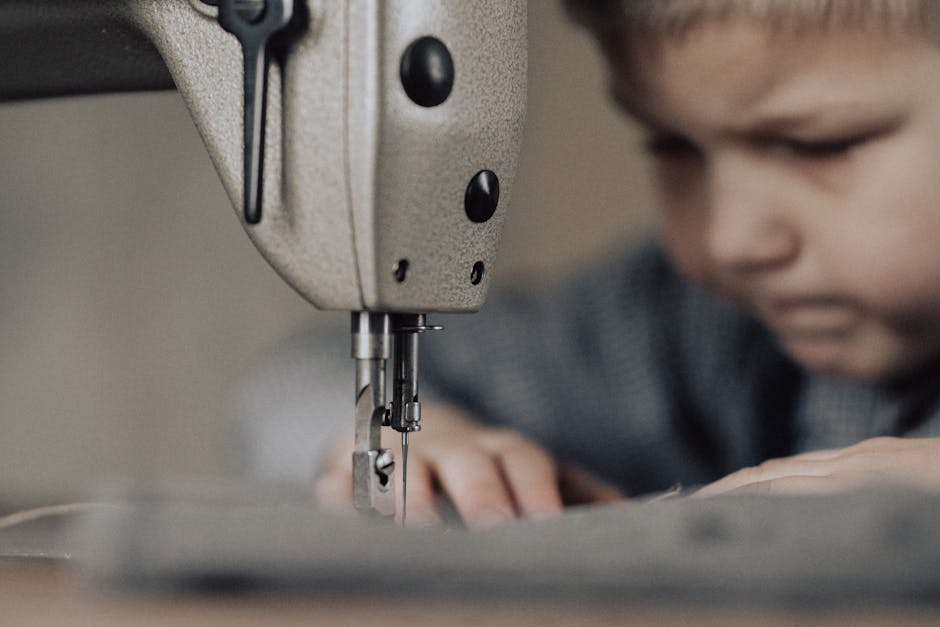
Discover a structured approach to making unique children's garments with our sewing courses. Learn to create bodysuits, dresses, and suits using safe fabrics, with patterns designed for standard sizes. Suitable for parents looking for a hands-on method to address fitting and quality.
Enquire TodayOur courses offer a step-by-step framework for sewing children's clothing. Each module covers pattern reading, fabric selection, and construction techniques. The content is organised around standard size charts, allowing participants to focus on the process of garment creation without needing to adapt measurements. Materials are discussed in terms of safety and durability, providing a reference for future projects.
Little Stitch provides sewing instruction focused on children's garments for parents in the UK. The curriculum is built around the use of safe, non-toxic fabrics and standard size patterns. Participants explore methods for creating bodysuits, dresses, and suits through guided tutorials. The approach emphasises understanding construction sequences and material properties rather than achieving specific outcomes. All materials are chosen for their compatibility with children's sensitive skin and ease of care.
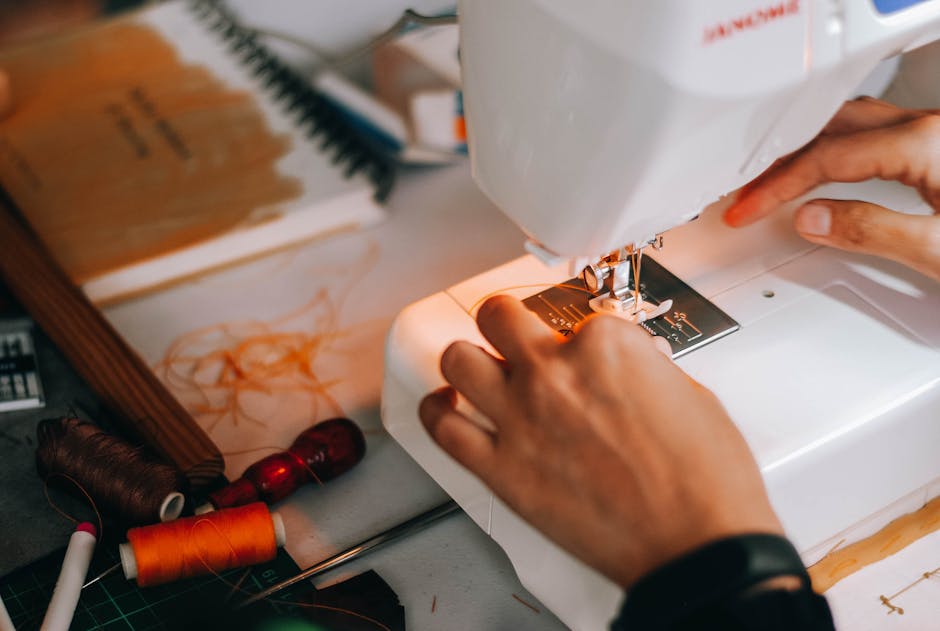
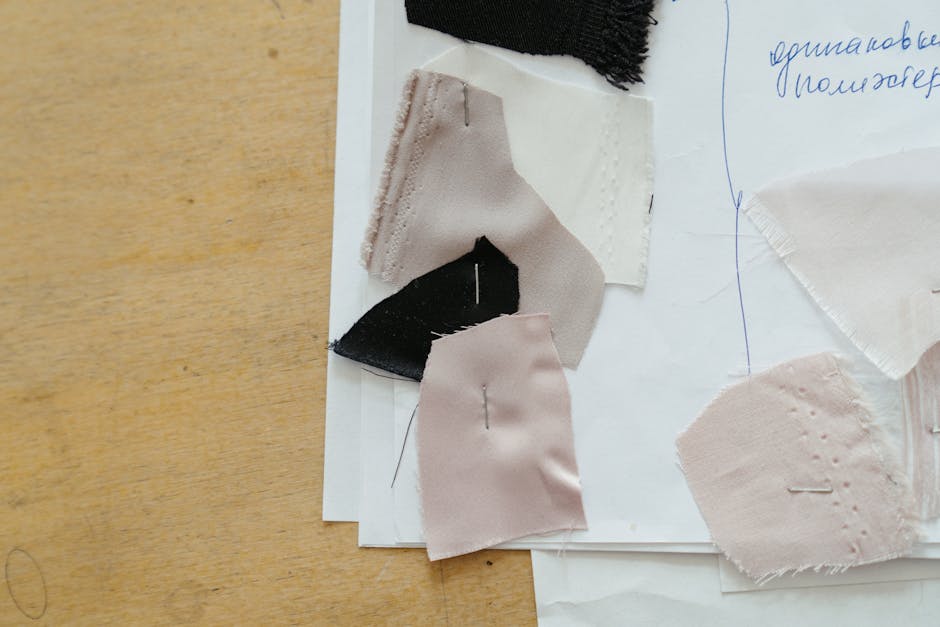
Patterns based on standard children's sizes for consistent fitting.
Information on selecting non-toxic, breathable materials.
Clear instructions for each construction stage.
Learn to sew bodysuits, dresses, and suits.
The course explained fabric choices and size adjustments in a clear way. I now feel confident following my own projects.
I liked the structured lessons. The patterns are straightforward and the instructions for seams were very helpful.
As a complete beginner, I appreciated the pace. Each step built on the previous one without rushing.
Little Stitch uses a process-oriented teaching method that breaks garment construction into sequential steps. Participants start with basic seams and progress to complete garments. Each project includes discussions on fabric grain, stitch types, and finishing techniques. The focus is on understanding how different materials behave and how patterns translate into three-dimensional shapes. This approach provides a foundation for independent sewing decisions, without prescribing a single correct outcome. Safety and comfort remain central throughout.
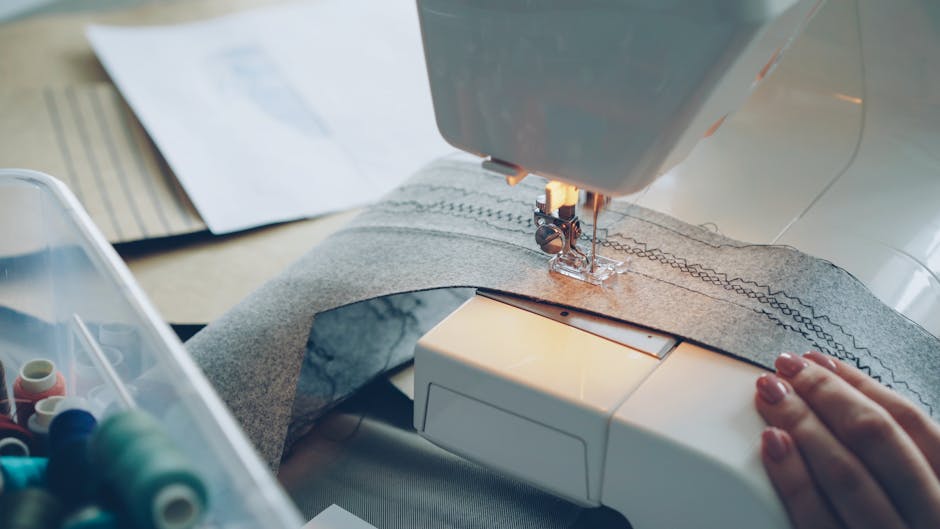
The course material is divided into three main modules: bodysuits, dresses, and suits. Each module covers pattern layout, cutting, assembly order, and finishing. Supplementary resources include a fabric reference guide and a size conversion chart for standard UK children's measurements. The content is designed so that participants can proceed at their own pace, revisiting sections as needed. No prior sewing experience is assumed; all techniques are introduced with detailed descriptions and visual aids. The overall structure encourages systematic practice and observation.
Learn how to take and interpret child measurements.
Cover essential stitches for stretch and woven fabrics.
Understand how knit and woven fabrics affect garment fit.
Explore hemming, binding, and edge finishes.
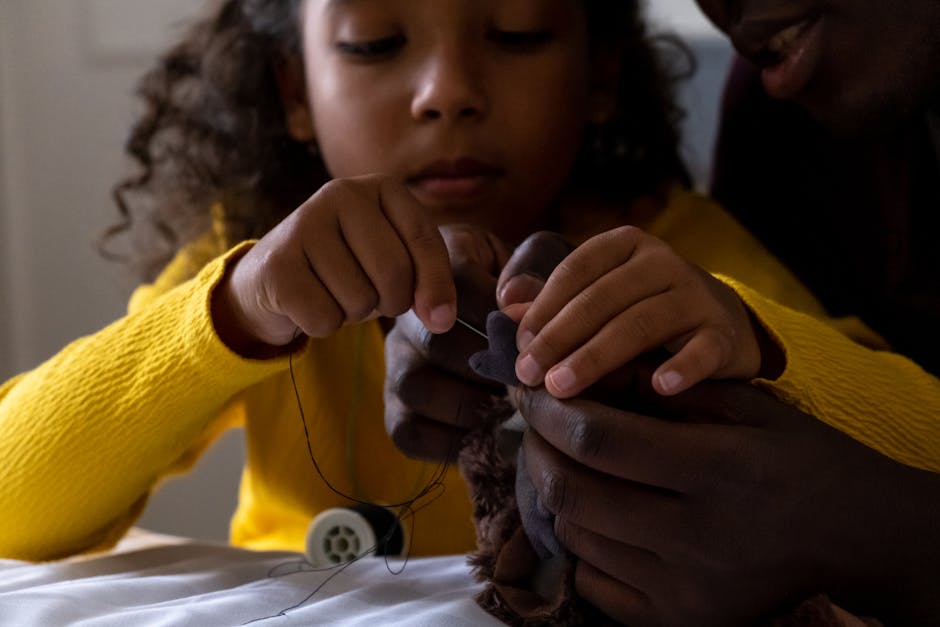

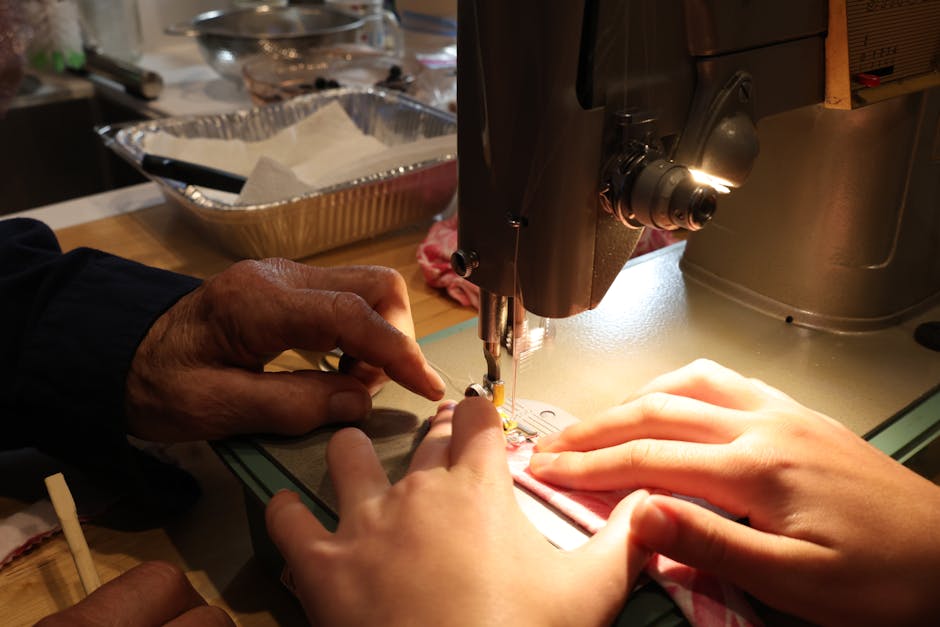
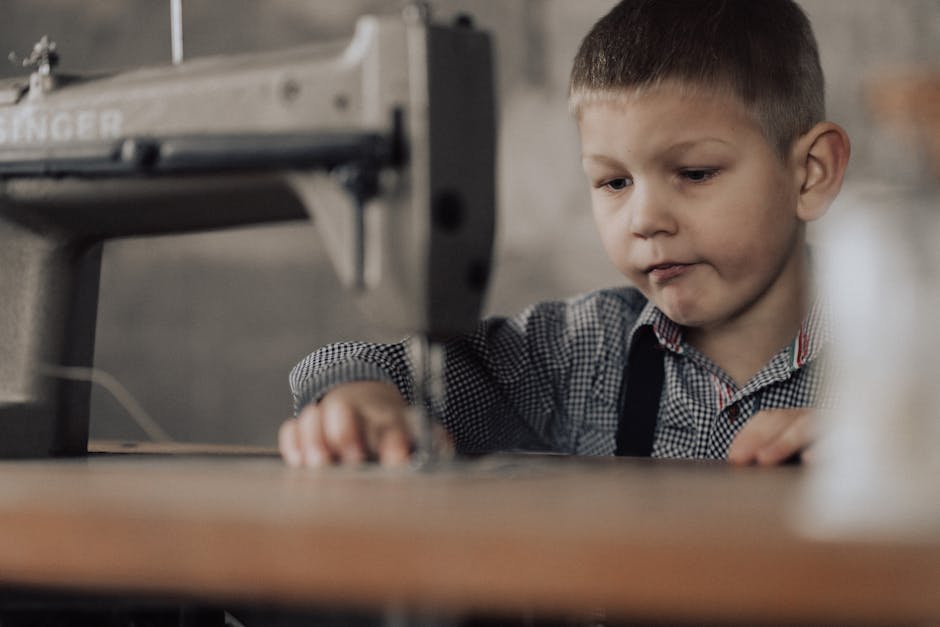
The course places a strong emphasis on material safety. All recommended fabrics are assessed for potential irritants and breathability. Topics include organic cotton, bamboo blends, and OEKO-TEX certified options. Participants also learn about thread types, elastic grades, and snap fasteners that comply with UK safety standards. The information is presented as a reference framework, not a directive. Each participant can evaluate materials based on their own criteria and preferences.
Little Stitch is designed for parents and caregivers interested in making clothes for children aged 0 to 12 years. The content is structured to be accessible to those with minimal sewing background, as well as those looking to refine specific techniques. Emphasis is placed on understanding the construction process rather than rushing to complete a garment. The patterns accommodate a range of skill levels, and additional tips are provided for common fitting adjustments. The environment supports gradual skill development.
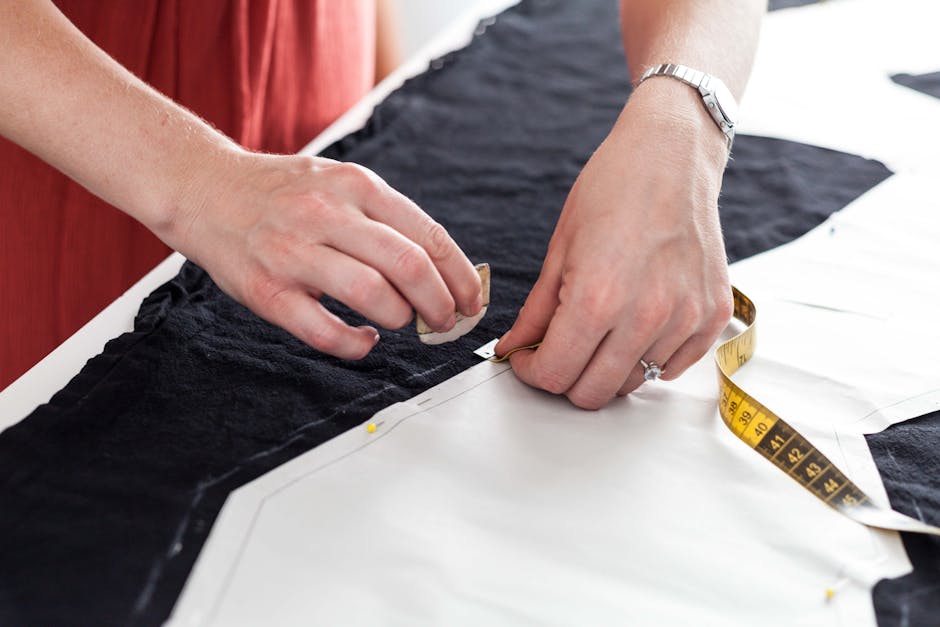
Explore how to read and cut pattern pieces for children's sizes.
Learn pre-washing, grain alignment, and cutting techniques.
Follow seam assembly, attaching sleeves, and finishing edges.
Check fit, adjust as needed, and apply final touches.
The patterns provided are based on standard size charts, but adjustments can be made. The course includes a section on modifying length, width, and adding ease. Techniques such as grading between sizes and adjusting for growth are discussed. This allows each garment to be tailored to a specific child's measurements without starting from scratch. The emphasis is on understanding the relationship between pattern pieces and body shape, offering a flexible framework for customisation.
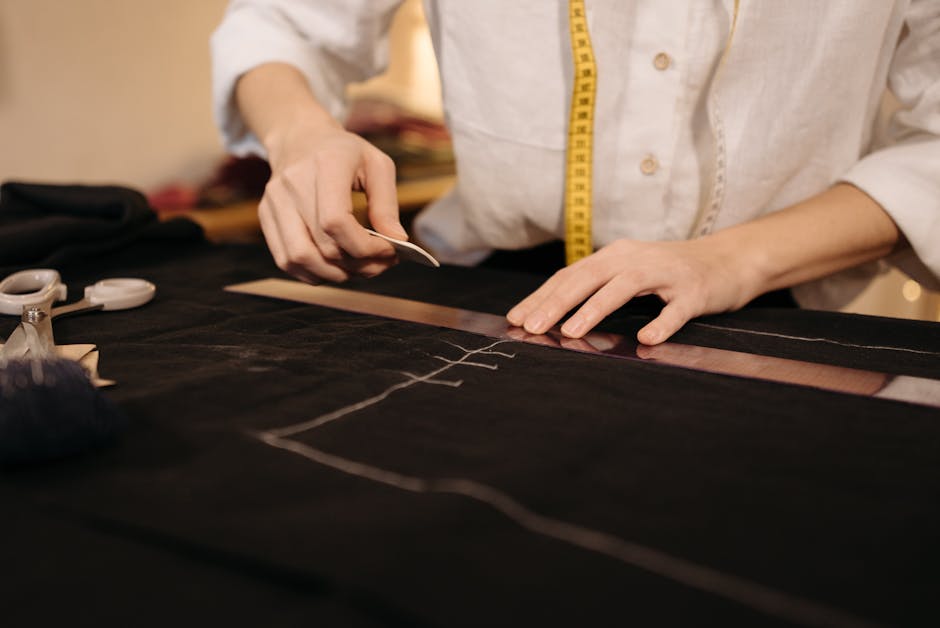
Little Stitch offers a community forum where participants can share progress, ask questions, and exchange fabric recommendations. The platform is moderated to maintain a constructive learning environment. Additional resources include a library of stitch tutorials, fabric care instructions, and seasonal project ideas. These materials are updated periodically based on participant feedback and industry developments. The goal is to provide a supportive space for ongoing learning beyond the structured course content.
Apply learned techniques to new garments or modify existing patterns.
Focus on specific areas such as buttonholes or zippers.
Experiment with different fabric types and design elements.
Contribute to the community with tips and project photos.
For questions about course content, schedules, or registration, please use the form below.
For questions about course content, schedules, or registration, please use the form below.